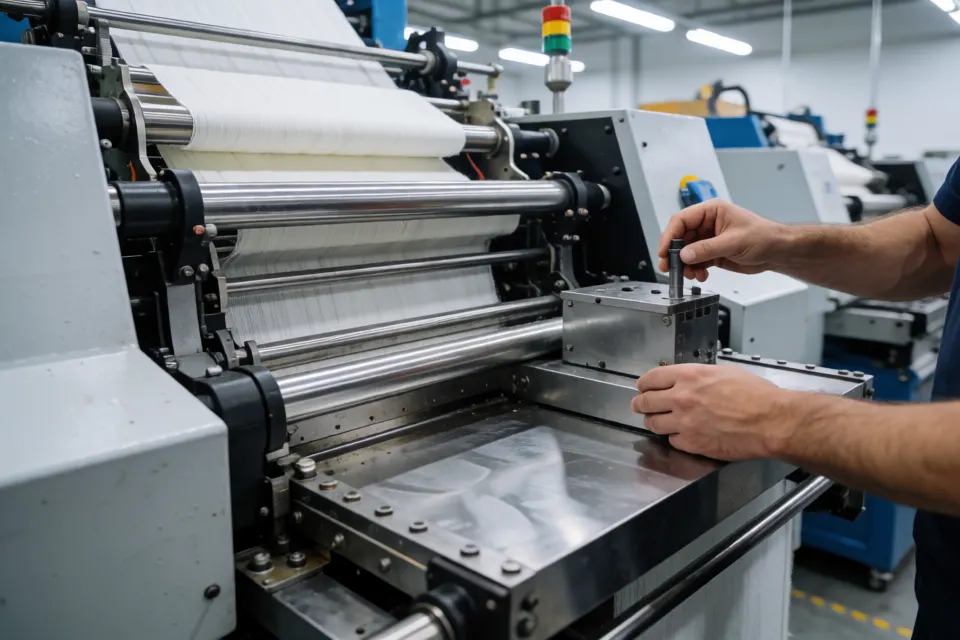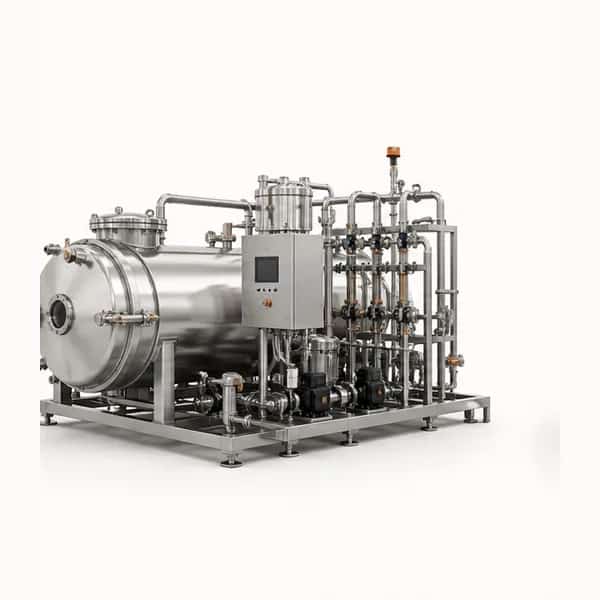
Low-liquor processes can reduce water and energy use, but they demand tighter control of chemistry, material and dosing.
Uniformity starts before the cycle
Check wetting, dosing order and circulation speed. A small change in any of these areas may only become visible after drying.
- set the dosing sequence and homogenisation time
- verify flow at the start and end of the cycle
- record deviations with the material batch and recipe number
Chemistry and machinery must work together
The strongest results come from optimising auxiliaries, machine programming and colour control as one system.